How Painting Patterns Can Change Perception of Room Size
- divinelayers2023
- Dec 28, 2025
- 3 min read
When decorating a room, the choice of paint pattern can dramatically influence how spacious or cozy the space feels. Many people focus on color alone, but the patterns you paint on walls can alter the perception of size just as much. Understanding how different painting patterns affect the way we see a room helps you make smarter design choices that suit your needs.

How Patterns Influence Visual Perception
Patterns guide the eye and create illusions that can either expand or shrink a room visually. The brain interprets lines, shapes, and repetition in ways that affect spatial awareness.
Vertical stripes draw the eye upward, making ceilings seem higher and the room taller.
Horizontal stripes stretch the walls sideways, giving the impression of a wider room.
Large-scale patterns tend to make a space feel smaller because they dominate the visual field.
Small, repetitive patterns can make a room feel busier but sometimes more spacious if used carefully.
By choosing the right pattern, you can emphasize the room’s best features or minimize its limitations.
Using Vertical and Horizontal Patterns
Vertical stripes are a classic choice for rooms with low ceilings. They create an upward movement that tricks the eye into seeing more height. For example, a narrow hallway painted with vertical stripes can feel less cramped and more open.
Horizontal stripes work well in rooms that feel too narrow. A living room with horizontal stripes on the longest wall can appear wider, making it more comfortable for gatherings. However, avoid very thick horizontal stripes in small rooms, as they can overwhelm the space.
Tips for Using Stripes
Use contrasting colors for stripes to make the effect stronger.
Keep stripes evenly spaced for a balanced look.
Combine stripes with solid colors on adjacent walls to avoid visual overload.
Patterns Beyond Stripes
Other patterns can also affect room size perception:
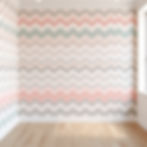
Chevron or zigzag patterns add dynamic movement and can make walls feel longer or taller depending on orientation.
Geometric shapes like hexagons or diamonds can create depth but should be used sparingly in small rooms.
Polka dots or small repetitive motifs can add texture without shrinking the space if the colors are light and subtle.
Choosing the scale of the pattern is crucial. Large patterns can dominate a small room, making it feel cluttered, while tiny patterns might get lost in a large space.
Color and Pattern Interaction
The colors used in patterns also influence perception. Light colors reflect more light, making rooms feel airy and open. Dark colors absorb light and can make a room feel smaller or more intimate.
When combining patterns with color:
Use light backgrounds with darker pattern accents to keep the room feeling spacious.
Avoid too many dark patterns in small rooms.
Consider the room’s natural light; patterns in bright sunlight can look different than in dim light.
Practical Examples for Different Rooms
Small bedroom: Vertical stripes in soft colors can make the ceiling feel higher and the room less confined.
Narrow kitchen: Horizontal stripes on one wall can widen the space visually.
Living room: A large geometric accent wall can add interest without shrinking the room if balanced with neutral walls.
Bathroom: Small repetitive patterns in light colors can add texture without overwhelming the limited space.
Combining Patterns with Other Design Elements
Patterns work best when combined with furniture placement, lighting, and accessories. For example, a room with vertical stripes and tall furniture can emphasize height even more. Mirrors placed opposite patterned walls can reflect the design and enhance the illusion of space.
Lighting also plays a role. Well-lit rooms with patterns tend to feel larger because shadows are minimized, and colors appear brighter.

Final Thoughts on Painting Patterns and Room Size
Painting patterns offer a powerful tool to change how a room feels without structural changes. Vertical stripes lift ceilings, horizontal stripes widen walls, and the right scale and color of patterns can make any space feel more comfortable. Experimenting with these ideas can transform your home and improve your daily living experience.
Try starting with a small accent wall to see how patterns affect your space before committing to a full room. Remember, the goal is to create a room that feels right for you, whether that means making it feel larger or cozier.